
$
$
Product successfully added to your shopping cart.
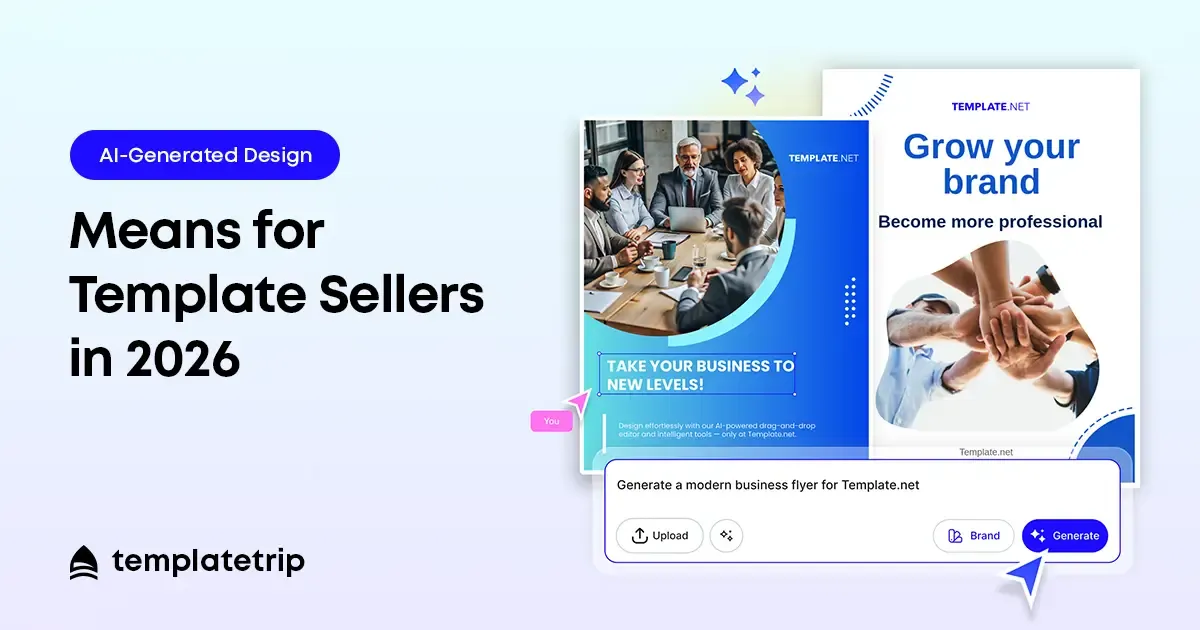
AI design tools — Midjourney for imagery, Framer AI for layout generation, Adobe Firefly for creative assets — have generated significant anxiety among template designers about the future of their work. The concern is understandable: if AI can generate website layouts automatically, what is the commercial value of a human-designed template? This article gives an honest, evidence-based answer.
AI design tools in 2026 can generate visual layouts, suggest colour palettes, create background imagery, and produce icon sets. They can do these things quickly and at a quality level that would have been impossible from automated tools three years ago. For designers, they are genuinely useful productivity tools — generating exploration options, accelerating early concept work, and producing draft assets that can be refined.
What they cannot do — with the specificity and commercial effectiveness that paying buyers require — is produce complete, deployment-ready Shopify themes, WooCommerce templates, or React components that work correctly on a live platform, are fully documented, are actively maintained as the platform updates, and come with a seller who provides support when things go wrong.
A Midjourney image of what a Shopify fashion store could look like is compelling. It is also not deployable. Converting that image into a working Shopify 2.0 theme — with Liquid templates, section schemas, metafield support, app block integration, correct mobile layout, and comprehensive documentation — requires human expertise that AI tools cannot currently replace.
A buyer who needs a functioning WooCommerce pet store running on WordPress does not need a beautiful image of what that store could look like. They need a theme they can install in 30 minutes, configure in an afternoon, and launch the following day. That product is the output of design expertise, platform knowledge, and production craft working together. AI tools contribute to parts of the workflow. They do not replace the workflow.
The widespread availability of AI-generated design aesthetics has raised buyer expectations for visual quality at every price point. Buyers who have seen AI-generated mockups of beautiful websites have an updated reference point for what a website can look like. This pushes the acceptable quality floor for template design higher, which disadvantages low-effort templates and rewards designers who invest in genuine visual craft.
For skilled template designers, AI tools accelerate the early concepting phase — generating multiple aesthetic directions to evaluate before committing to a design system. A designer who used to spend two days generating concept options now spends two hours. The output of that efficiency goes back into polish, documentation quality, and catalog depth.
A growing niche within the template market is themes specifically designed to integrate AI features — AI-powered product recommendations, AI chatbot integration, AI content generation for product descriptions, and AI search. Template sellers who build ahead of this integration curve are entering a market segment before it becomes crowded.
Buyers who purchase templates are buying a relationship as much as a product. They need documentation updated when the platform changes. They need support when they encounter a configuration problem. They need confidence that the seller exists and cares about the product working correctly in their use case. AI tools do not provide any of these. Human sellers do.
The most defensible position for a template seller in the AI era is not competing on aesthetic generation — that is where AI tools have genuine capability. It is competing on platform expertise, niche knowledge, documentation quality, support reliability, and the kind of iterative product improvement that comes from real buyer feedback over hundreds of sales. These are deeply human advantages that compound over time and cannot be replicated by AI tools at any current level of development.
AI design templates 2026, AI generated website templates, AI vs human template design, template seller AI impact future