
$
$
For a limited time, take 20% off any new website plan.

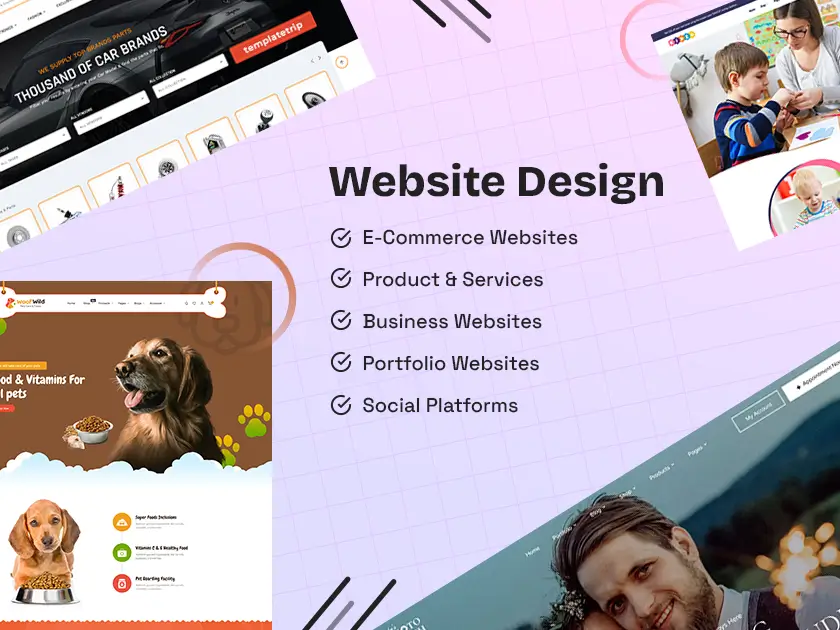
When it comes to choosing a template for your online store, the instinct for many first-time store owners is to look for the most versatile option — a multipurpose template that can handle any product category, any design preference, and any business model. In practice, multipurpose templates frequently slow down launches, require more customisation work, and produce stores that feel generic rather than purpose-built. A niche template — designed specifically for your product category — has already solved the design problems specific to your business.
A niche template is an ecommerce theme designed for a particular product category or business type. Examples:
Multipurpose templates ship with dozens of homepage section variants, multiple header options, extensive colour scheme configurations, and numerous layout combinations. The result is a template requiring extensive decision-making and configuration before it looks like anything — often consuming weeks before you have made a single sale.
A multipurpose product page is designed to work for everything — software, fashion, electronics, food. That means it is optimised for nothing in particular. A fashion store needs large editorial imagery and a different visual hierarchy than an electronics store needing specification tables. Using the same layout for both means both are compromised.
Customers make trust judgements within 50 milliseconds of landing on a page. A generic-looking store is a brand handicap in any niche.
Multipurpose templates ship with every possible feature to cover every possible use case. Most of those features are irrelevant to your specific business — but they are still loaded on every page, contributing to bloated code, slower load times, and worse Core Web Vitals scores.
A niche template has already answered the key layout questions for your category. For a jewellery store, the designer has already decided that the product image should be large, the zoom feature prominent, and the certification badge near the price. For a food store, delivery information appears above the fold and category navigation is icon-based for mobile speed. These decisions are already made — you inherit the work of designers who have studied your category.
Because a niche template is already configured for your use case, there are fewer configuration decisions to make. What remains is branding work — colours, fonts, logo, product content — not structural design work. Constraints drive efficiency. A template that has already made the hard decisions gets you to launch faster.
Niche templates include features that generic templates simply do not have. A fashion template might include a "Shop the Look" feature and an outfit builder. A food template might include dietary filters and recurring delivery options. These features — which would require plugin installation and configuration on a generic template — are baked in and configured from day one.
Because niche templates include only the features relevant to their category, they tend to be leaner in code and faster in performance than multipurpose templates. Faster pages rank better in Google, load better on mobile, and convert at higher rates.
A well-built niche template can score 20–30 points higher on Google PageSpeed than a comparable multipurpose template, simply by excluding irrelevant code. That difference translates directly into conversion rate and search ranking.
A store built on a template designed for its product category looks like it belongs to that category. A fashion store on a fashion template looks like a fashion brand. A supplements store on a health template looks like a health brand. This categorical authenticity is recognised immediately by shoppers in that category and creates instant trust. A niche template eliminates the subtle visual dissonance of generic designs that experienced shoppers unconsciously notice.
A niche template gives you a head start: pre-solved design problems, built-in category features, faster performance, and a store that looks like it belongs to your industry from day one. For most store owners — especially those launching without a dedicated development budget — the niche template is the faster, cheaper, and better-performing choice. Start with what was built for your business, not with what can be made to work for every business.
niche ecommerce template, category specific theme, fashion ecommerce template, food store template, ecommerce niche theme, best theme for online store, multipurpose vs niche theme, ecommerce template for my niche