
$
$
Product successfully added to your shopping cart.
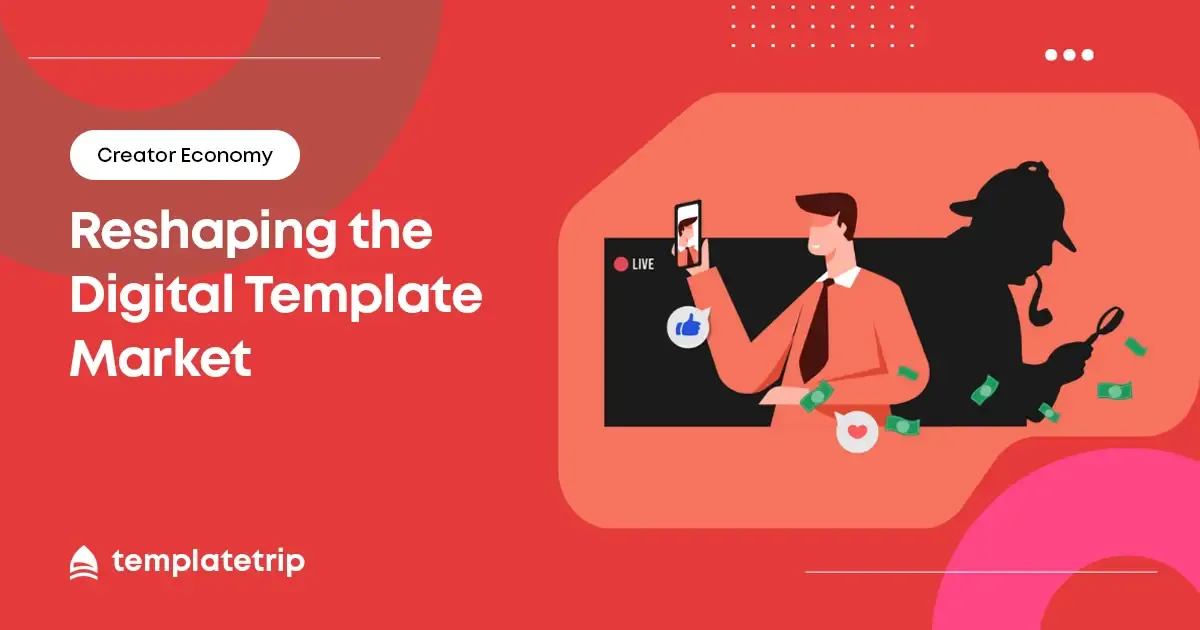
The creator economy — the ecosystem of independent creators who earn income by selling digital products, content, and services to audiences — has transformed music, video, writing, and education. Its influence on the digital template market is less frequently discussed but equally significant. The way template creators think about their work, their business, and the platforms they use is changing in ways that are restructuring the industry.
Traditional template marketplace sellers thought of themselves as suppliers to a platform's buyer audience. The platform owned the distribution relationship; sellers contributed the product. This model worked when the alternatives were limited. But the creator economy has introduced a different mental model: creators own their audience. The platform is a distribution channel, not the relationship.
A template creator who has built 15,000 Twitter followers by posting design process content, or who runs a YouTube channel teaching Shopify theme development to 30,000 subscribers, has an audience that follows them across platforms. They are not entirely dependent on any single marketplace's traffic. This distribution independence changes their negotiating position and their platform choice criteria.
Creator-economy-influenced template sellers have different platform requirements than their predecessors. They demand: non-exclusive terms as a default, not an exception; commission rates that reflect the value of the creative work rather than the platform's market power; transparency in how their products are ranked and discovered; and the ability to build a recognisable seller identity rather than being anonymous contributors to a corporate catalog.
Against benchmarks from other creator economy sectors — Substack writers keeping 90% of subscription revenue, Gumroad sellers keeping 95% after transaction fees — a template marketplace paying 30–50% to non-exclusive sellers begins to look structurally unfair.
The platforms that are responding effectively to creator economy expectations are those that lead with seller economics rather than treating commission rates as a competitive footnote. Offering 80% commission from the first sale, with no exclusivity requirement, is not a promotional offer — it is a statement of belief about who the platform is built to serve.
This creator-first positioning is a durable competitive advantage in a market where the supply of quality templates is entirely dependent on attracting and retaining the creators who build them.
One of the most significant practical outcomes of creator economy thinking applied to template selling is the multi-platform strategy. Rather than committing exclusively to one marketplace, creator-minded template sellers treat marketplaces as distribution channels — each with different audience characteristics and traffic volume — and optimise their presence across multiple platforms simultaneously.
If an 80% commission rate is available without exclusivity — as on TemplateTrip — the multi-platform strategy becomes the dominant rational choice. List on TemplateTrip for maximum per-sale earnings, maintain a ThemeForest presence for additional traffic exposure, and use Gumroad or a direct storefront to serve the audience built through social media or content marketing.
The most forward-looking template sellers in 2026 are building audience-first businesses. They create content — design tutorials, Shopify setup guides, WooCommerce development walkthroughs — that attracts an audience of buyers who trust them as experts before ever seeing their template catalog. When these creators release a new template, their audience is pre-warmed. The template sells faster, generates more early reviews, and establishes its marketplace presence more quickly than a template released by an anonymous seller.
The template marketplaces that will succeed in the next decade are those that build features supporting the creator identity, not just the product transaction — seller profile pages that receive their own SEO traffic, newsletter integrations, and analytics that help sellers understand which of their content channels is driving marketplace conversions.
creator economy template market 2026, template creators economy, independent template sellers business model, digital template creator economy