





$
$
Product successfully added to your shopping cart.

Showing 1 - 1 of 1 results
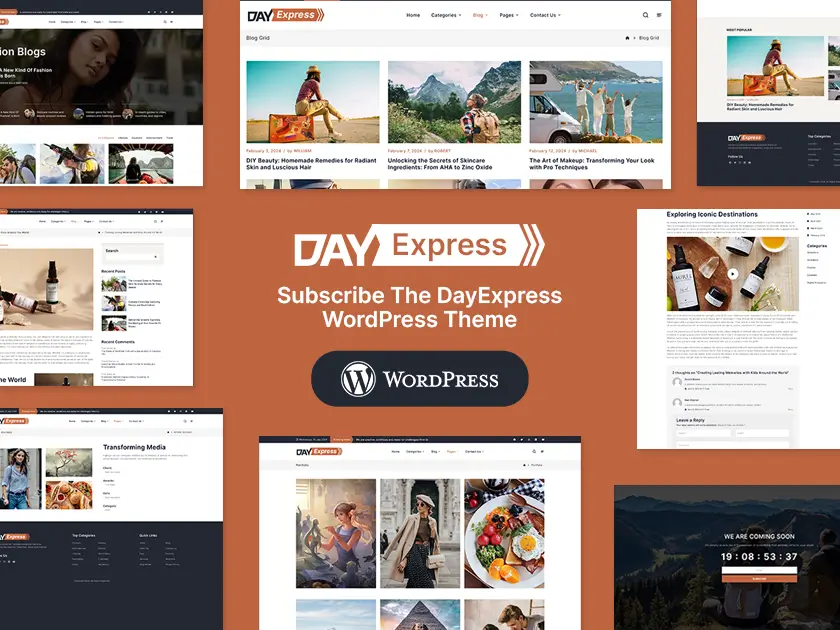
by WPDruggy


$ 49
WordPress was built for publishing. Before it became the CMS powering 43% of the web, it was the blogging platform that changed how people published online. That heritage is still felt in how naturally WordPress handles content- its category and tag taxonomy system, its comment and discussion management, its native RSS feeds, its media library, and its growing Gutenberg block editor that makes writing and formatting a pleasure rather than a chore.
For bloggers, digital publishers, and online magazines, WordPress remains the undisputed platform of choice. The combination of publishing-native content management, the world's largest SEO plugin ecosystem, newsletter and membership integration, and complete design flexibility gives content creators everything they need to build a serious publishing operation.
Gutenberg block editor for rich content creation- WordPress's block editor goes far beyond basic text and image. Pull quotes, reading time indicators, table of contents, newsletter signup embeds, audio players, and interactive content widgets are all native or plugin-based blocks that elevate content beyond standard article formatting
Category and tag taxonomy system- WordPress's content organisation system handles multi-level topic taxonomies, series management, author attribution, and content tagging in ways that create both user-navigable content architecture and SEO-valuable category page depth
Yoast SEO and RankMath for organic traffic- the largest driver of sustainable blog and magazine traffic is organic search. WordPress's compatibility with leading SEO plugins, combined with clean URL structures, XML sitemaps, and structured data markup for articles and reviews, creates a strong foundation for long-term search growth
Newsletter and email platform integration- Mailchimp, ConvertKit, Substack, and Beehiiv all integrate with WordPress through native plugins or blocks, enabling newsletter signup capture, content gating, and subscriber growth management directly within the WordPress workflow
WooCommerce for content monetisation- selling digital downloads, physical merchandise, premium content subscriptions, and online courses alongside editorial content is natural within WordPress. Blog and magazine themes with WooCommerce compatibility enable this monetisation without requiring a separate platform
WordPress Multisite for multi-publication networks- publishers managing multiple editorial properties (a main magazine and several vertical publications, for example) can run all properties from a single WordPress Multisite installation with shared user management and unified administration
Personal blogs- lifestyle, travel, food, personal finance, parenting, and niche interest content
Online magazines- multi-author editorial publications with category-led navigation and high content volume
News websites- breaking news, local news, and vertical news publications
Review and ratings sites- product reviews, restaurant reviews, film and music criticism
Tutorial and how-to blogs- educational content with structured step-by-step layouts
Podcast and audio content sites- podcast directories and audio content hosts with embedded player integration
The best blog and magazine WordPress themes solve the readability problem first. Typography that is comfortable to read at length, line heights that don't feel cramped, content widths that don't stretch uncomfortably across wide monitors- these are the fundamentals that keep readers on articles rather than bouncing after two paragraphs.
Related article display, category navigation depth, and author page quality all contribute to session depth- the number of articles a visitor reads per session. Themes that invest in these features create the engagement metrics that attract advertisers and grow subscriber bases. A reader who reads three articles per visit is three times more valuable than one who reads one.
Every Blog & Magazine WordPress theme in the TemplateTrip marketplace has been reviewed for content management features, SEO plugin compatibility, and reading experience quality. Each includes a live demo. Filter by publication type to find the right theme for your editorial content model.
10,000+
Premium Templates
500+
Verified Sellers
50,000+
Happy Customers
Since 2013
Trusted Marketplace

